
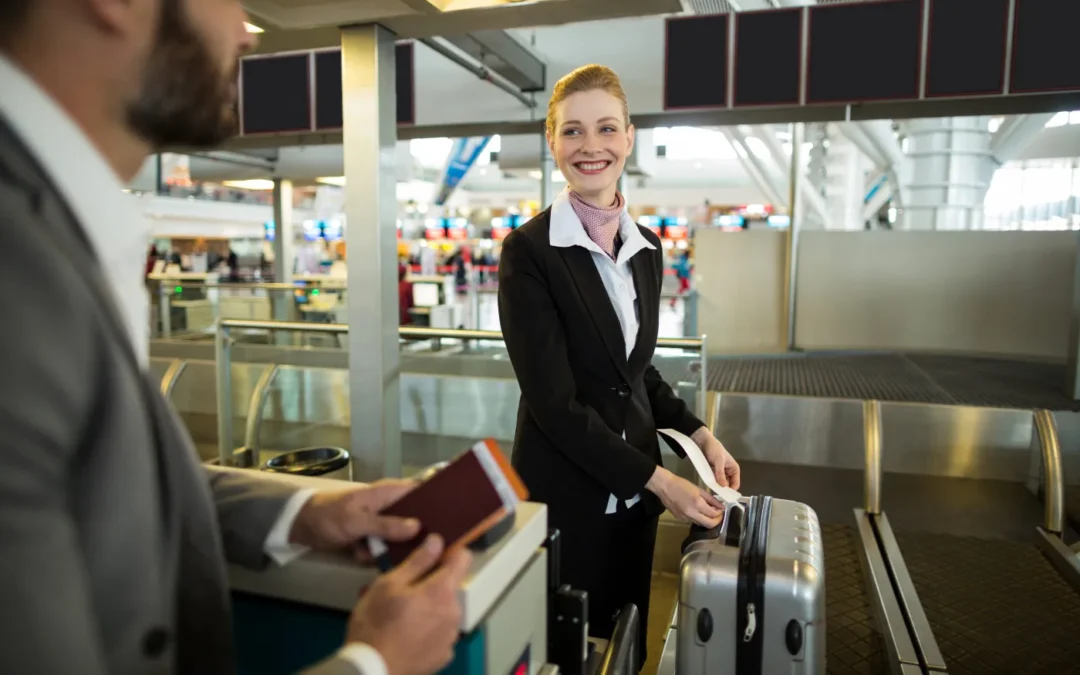
When you walk through an airport, you may only notice the check-in counters, security lines, and boarding gates. But behind this smooth experience lies the dedication and precision of trained airport professionals who work tirelessly to ensure each flight operates seamlessly. At Futurewings Academy for Professional Training and Placements, we prepare our students to be a part of this vibrant world with hands-on training and real-time exposure.
Let’s take you through a day in the life of airport staff — the heroes behind the scenes who keep the aviation world running.
1. Early Start: Preparing for the Day
The day for most airport staff begins early, often well before sunrise. Ground staff, airline representatives, and security personnel arrive at the airport to prepare for the day’s operations. Their duties include:
- Coordinating flight schedules
- Verifying documentation
- Setting up check-in counters
- Inspecting boarding gates and lounges
At Futurewings, students are trained in airport protocols, grooming, and time management — essential skills for working in such fast-paced environments.
2. Passenger Check-In and Assistance
Check-in counters open 2–3 hours before a flight’s departure. This is where customer service skills shine:
- Greeting and verifying passenger documents
- Printing boarding passes and issuing baggage tags
- Resolving seat preferences and upgrades
- Assisting elderly, differently-abled passengers, and unaccompanied minors
Our academy emphasizes soft skills, airline procedures, and airline software systems during training to ensure students can perform these duties confidently and professionally.
3. Security Coordination and Boarding Procedures
Airport staff also coordinate with security teams to manage passenger movement and ensure compliance with aviation safety regulations.
- Guiding passengers through security checkpoints
- Monitoring the boarding process
- Verifying identities and tickets at boarding gates
- Making announcements and resolving last-minute issues
Students at Futurewings practise these duties through role-plays and simulations, and see them first-hand on airport industrial visits.
4. Flight Coordination and Turnaround Management
Once a flight departs, it’s time to prepare for the next one. Airport operations involve:
- Updating flight status systems
- Managing aircraft turnaround (cleaning, refueling, catering)
- Communicating with air traffic control and airline headquarters
- Handling lost baggage and customer complaints
Futurewings offers specialized training in ground handling, ramp operations, and aviation safety, helping students understand every layer of airport functioning.
5. Keeping Calm Under Pressure
Airports are unpredictable — delays, technical glitches, weather disruptions, and demanding passengers can challenge even the most experienced staff.
That’s why emotional intelligence, stress management, and conflict resolution are a core part of our curriculum. We prepare students to remain calm, responsive, and composed even during high-pressure situations.
The Futurewings Advantage
At Futurewings Academy for Professional Training and Placements, we don’t just teach — we empower. Our courses are aligned with international standards and include:
- IATA-trained faculty
- Live CRS software training
- Grooming and communication workshops
- Industry expert sessions and guest lectures
- Placement assistance
Conclusion
A career at the airport is not just a job — it’s a lifestyle of discipline, teamwork, and energy. From check-in to takeoff, every role played by airport staff is crucial to ensuring smooth travel experiences for thousands of passengers every day.
If you’re ready to be a part of this dynamic industry, join Futurewings today and step into the world of aviation with confidence.
Related courses at Futurewings Academy, Kochi
Questions about fees or eligibility? WhatsApp +91 82813 20702 or book a free counselling call.
Frequently asked questions
When do airline check-in counters open?
Typically 2 to 3 hours before a flight's departure, when staff verify documents, print boarding passes and baggage tags, and assist passengers who need help.
What do airport staff do between flights?
They update flight status systems, manage aircraft turnaround (cleaning, refuelling and catering), communicate with the airline and operations teams, and handle baggage issues and complaints.
What skills help airport staff succeed?
Time management, grooming, customer service, knowledge of airport procedures and the ability to stay calm under pressure during delays and disruptions.